Anxiety Medications Explained: Types, How They Work and Safety Guide

Anxiety is one of the most common health conditions, and it often disrupts sleep, concentration and daily life. When therapy and lifestyle changes are not enough, a doctor may suggest medication. This guide explains the main types of anxiety medications, how they work, how fast they act and the safety points to know.
Main Types of Anxiety Medications
1. Azapirones (non-sedating anti-anxiety medicine)
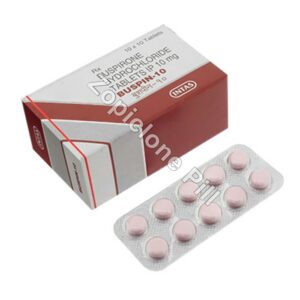
Buspirone acts on serotonin 5-HT1A receptors. It is used for generalised anxiety, does not cause physical dependence and builds up over 2 to 4 weeks. See Buspin 10 and Buspin.
2. SNRIs and SSRIs (antidepressant-type treatments)
These raise serotonin (and noradrenaline in SNRIs) and are first-line for long-term anxiety, social anxiety and panic. Venlafaxine is a common SNRI. Browse Venlor-XR 75, Venlor-XR 150 and Venlor-XR. They take several weeks to work and must be tapered, not stopped suddenly.

3. Gabapentinoids
Pregabalin is licensed for generalised anxiety disorder in some countries. See pregabalin and our guide to nerve pain medicines. It has misuse potential and needs careful supervision.
4. Benzodiazepines (short-term only)
These work fast but can cause tolerance and dependence, so they are reserved for short courses or crises. They are not first-choice for ongoing anxiety.
Anxiety Medication Types at a Glance
| Type | Speed | Dependence risk | Notes |
|---|---|---|---|
| Azapirones | 2 to 4 weeks | No physical dependence | Minimal sedation, avoid grapefruit juice |
| SNRIs and SSRIs | 2 to 6 weeks | No addiction, but discontinuation symptoms | Also treat depression, monitor mood early on |
| Gabapentinoids | Days to weeks | Misuse possible | Drowsiness, dangerous with opioids and alcohol |
| Benzodiazepines | Fast | High with prolonged use | Short-term use only |
Anxiety and Sleep Are Linked
Anxiety can cause insomnia and poor sleep makes anxiety worse. Read does anxiety affect sleep?, anxiety attack while sleeping and medications for anxiety and insomnia. If sleep is the main issue, see insomnia medicines and how they work.

Safety Notes
- Antidepressant-type medicines carry a warning about mood changes or suicidal thoughts, especially in people under 25 and early in treatment. Contact a doctor or emergency services immediately if this happens.
- Avoid MAO inhibitors and ask about other serotonergic products, including St John’s wort.
- Never combine sedating anxiety medicines with alcohol or opioids.
- Do not stop any anxiety medicine suddenly without advice.
Support Beyond Medication
Therapy and daily habits help. Try 7 ways to reduce anxiety, natural ways to help with anxiety, meditation for anxiety and insomnia and learn about generalised anxiety disorder causes.
Frequently Asked Questions
Which anxiety medication works fastest?
Benzodiazepines act quickest but carry the highest dependence risk. Most long-term treatments take weeks.
Are anxiety medications addictive?
It depends on the type. Azapirones and antidepressant-type medicines are not addictive, while benzodiazepines and gabapentinoids can be misused.
Can I take them with sleeping pills?
Combining sedating medicines increases risk. Only do so under medical supervision.
Disclaimer: This article is for general information only and is not medical advice. If you are in crisis or having thoughts of self-harm, contact your local emergency number or a crisis helpline immediately.