Gut Health Medicines Explained: IBS, Travellers’ Diarrhoea and Bacterial Overgrowth

Digestive problems are among the most common reasons people visit a doctor, and they are also among the most disruptive to daily life. Bloating, cramps, urgent diarrhoea, constipation and trapped wind can affect work, travel, relationships and sleep. Many of these symptoms come from irritable bowel syndrome (IBS), infections such as travellers’ diarrhoea, or an imbalance of gut bacteria. This guide explains the main gut-health medicines, including gut-targeted antibiotics such as rifaximin, how each works, which conditions they are used for, what they cannot do, and what you can change in your daily routine to feel better.
Understanding the Gut and Why Problems Develop
Your digestive tract is lined with a complex community of bacteria, fungi and viruses known as the gut microbiome. A healthy microbiome helps digest food, makes vitamins, trains the immune system and keeps harmful microbes in check. It also communicates with your brain through nerves, hormones and immune signals, which is why stress, anxiety and poor sleep so often show up as stomach trouble. Digestive symptoms can arise when this system is disturbed by infection, antibiotics, diet changes, stress or underlying conditions.
Irritable Bowel Syndrome (IBS)
IBS is a long-term condition affecting roughly one in ten people. It is diagnosed on the basis of recurrent abdominal pain linked to changes in bowel habits, in the absence of other disease. It is commonly divided into IBS with diarrhoea (IBS-D), IBS with constipation (IBS-C) and mixed IBS. Symptoms often flare with stress, certain foods, hormonal changes and after infections. IBS does not cause bowel cancer or inflammatory bowel disease, but it can reduce quality of life considerably.
Red flags that need investigation
Do not assume symptoms are IBS if you have blood in your stool, unexplained weight loss, persistent night-time diarrhoea, a family history of bowel cancer or coeliac disease, anaemia, a new change in bowel habit after age 50 or a lump in the abdomen. These require tests such as blood tests, stool tests, coeliac screening or colonoscopy.
Travellers’ Diarrhoea
Travellers’ diarrhoea affects up to half of people visiting regions with lower sanitation standards. It is usually caused by bacteria such as Escherichia coli and is characterised by loose stools, cramps and urgency, typically lasting three to five days. Most cases resolve with fluids and rest. Antibiotics are reserved for moderate to severe illness, especially when fever, bloody stools or significant disruption to travel occur. Rifaximin is licensed for non-invasive travellers’ diarrhoea because it stays in the gut and does not cover infections that invade the bloodstream, so it should not be used when there is fever or blood in the stool.
Small Intestinal Bacterial Overgrowth (SIBO)
SIBO occurs when excessive bacteria colonise the small intestine, where numbers should be low. It can cause bloating, gas, diarrhoea, abdominal discomfort and nutrient malabsorption. Because symptoms overlap heavily with IBS, breath testing is often used for diagnosis, although the tests are not perfect. Treatment commonly includes a course of a gut-targeted antibiotic, along with addressing underlying causes such as slow gut movement, previous surgery or certain medicines.
Hepatic Encephalopathy
In advanced liver disease, ammonia and other toxins produced by gut bacteria can reach the brain and cause confusion, sleep reversal, drowsiness and personality change. Reducing ammonia-producing bacteria in the gut is central to treatment. Lactulose is usually first-line, and rifaximin is added to reduce the risk of further episodes and hospital admissions. This is a specialist condition managed by hepatologists.
How Rifaximin Works
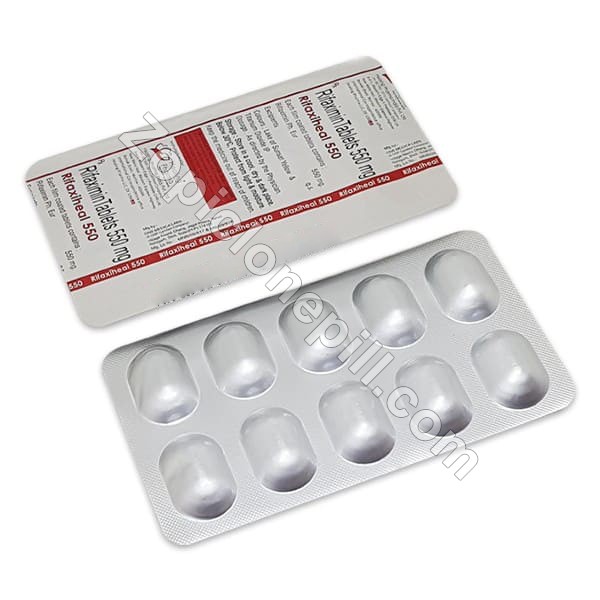
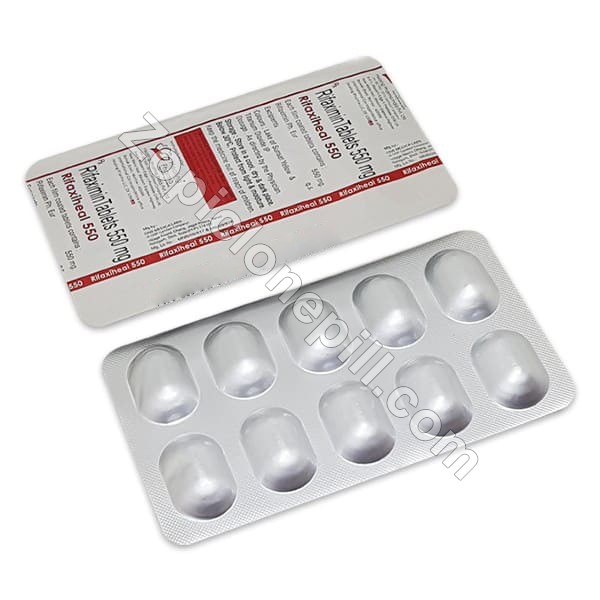
Rifaximin is a rifamycin antibiotic with a special property: less than one per cent is absorbed from the gut into the bloodstream. It therefore acts almost entirely inside the digestive tract, reducing the load of certain bacteria without causing widespread effects elsewhere in the body. This makes it a useful option for gut conditions in which bacteria play a role. You can view our Rifaximin 550 mg product page for strength details.
Approved Uses Compared
| Condition | Typical rifaximin use | Notes |
|---|---|---|
| Travellers’ diarrhoea (non-invasive) | 200 mg three times a day for 3 days | Not for fever or bloody diarrhoea |
| Hepatic encephalopathy | 550 mg twice a day, long-term | Used with lactulose to prevent recurrence |
| IBS with diarrhoea | 550 mg three times a day for 14 days (approved in some countries) | May be repeated if symptoms return |
| SIBO | Commonly used off-label | Recurrence is common without addressing the cause |
Other Medicines Used for Gut Symptoms
Antispasmodics
Mebeverine, hyoscine butylbromide and peppermint oil capsules relax gut muscle and reduce cramping. They can be taken before meals when pain is predictable.
Anti-diarrhoeals
Loperamide slows gut movement and is useful for short-term control of diarrhoea or before a journey. It should not be used if there is blood in the stool or high fever.
Laxatives and fibre
For constipation-predominant symptoms, soluble fibre such as ispaghula (psyllium), osmotic laxatives and increased fluid are preferred. Insoluble fibre such as wheat bran can worsen bloating in IBS.
Low-dose antidepressants
Low-dose tricyclic antidepressants such as amitriptyline can reduce pain and diarrhoea in IBS by modulating gut-brain signalling, at doses far below those used for depression. Some SSRIs help constipation-predominant IBS. If you also experience anxiety, read anxiety medications explained.
Probiotics
Evidence is mixed but some strains help some people. Try a single product for four weeks and stop if there is no benefit.
Diet: The Foundation of IBS Management
For many people, diet changes produce more relief than any tablet. Start with regular meals, slow eating, adequate fluids and limiting alcohol, caffeine, fizzy drinks and very fatty or spicy foods. If symptoms persist, the low-FODMAP diet, which temporarily reduces fermentable carbohydrates such as onions, garlic, wheat, certain fruits and some dairy, helps around half to three-quarters of people with IBS. It should be done in three stages, elimination, reintroduction and personalisation, ideally with a dietitian, because long-term restriction can reduce gut bacteria diversity and nutrient intake.
The Gut-Brain Connection: Stress, Anxiety and Sleep
The gut contains hundreds of millions of nerve cells and produces most of the body’s serotonin. Stress and anxiety increase gut sensitivity and speed up or slow down transit, which is why exam nerves can cause diarrhoea. Poor sleep makes this worse by raising pain sensitivity and inflammation, and gut symptoms at night disturb sleep, creating a vicious cycle. Breaking it usually requires working on both ends. Read does anxiety affect sleep?, practise meditation for anxiety and insomnia and apply sleep hygiene tips. Gut-directed hypnotherapy and cognitive behavioural therapy have good evidence for IBS.
Safety and Side Effects of Gut-Targeted Antibiotics
- Common effects are mild: nausea, headache, flatulence and abdominal pain.
- Allergic reactions, though rare, include rash and swelling and need urgent care.
- Severe or persistent diarrhoea during or after treatment can indicate C. difficile infection and requires prompt assessment.
- Medicines that block gut pumps, such as ciclosporin, can raise rifaximin absorption, so tell your doctor about all medicines.
- Repeated courses can contribute to antibiotic resistance. Read antibiotic tablets explained for more.
Practical Tips for Everyday Management
- Keep a food and symptom diary for two to four weeks to spot triggers.
- Stay hydrated, particularly with diarrhoea, and consider oral rehydration solution when travelling.
- Exercise regularly, because even moderate activity such as walking improves bowel function and mood.
- Eat dinner at least two to three hours before bed to reduce night-time symptoms.
- Carry a small kit when travelling: oral rehydration sachets, hand sanitiser and any medicines advised by a travel clinic.
Frequently Asked Questions
Is IBS curable?
IBS is a long-term condition without a single cure, but symptoms can usually be controlled well with diet, lifestyle changes, psychological therapies and medicines.
Can I take rifaximin for bloating?
Bloating has many causes. Rifaximin helps only in specific situations such as SIBO or IBS with diarrhoea, so a proper diagnosis comes first.
Will antibiotics damage my gut permanently?
Gut-targeted antibiotics have a smaller effect on the rest of the microbiome than broad-spectrum tablets, and most changes recover within weeks.
Can stress alone cause diarrhoea?
Yes. Stress alters gut movement and sensitivity, and anxiety is a common trigger for IBS flare-ups.
When should I worry about diarrhoea?
See a doctor for blood in stools, fever, severe dehydration, diarrhoea lasting more than a week or symptoms after antibiotic use.
Probiotics, Prebiotics and Fibre: What the Evidence Says
These three terms are often confused. Probiotics are live microorganisms, such as certain Lactobacillus and Bifidobacterium strains, taken in supplements or fermented foods. Prebiotics are fibres such as inulin and galacto-oligosaccharides that feed beneficial bacteria. Fibre in general adds bulk, regulates stool consistency and feeds gut microbes. Research suggests that some probiotic strains modestly improve global IBS symptoms and reduce antibiotic-associated diarrhoea, but results depend on the strain, so a product that helps one person may do nothing for another. Introduce fibre slowly, because increasing it too fast produces gas and bloating, and drink more water as you do.
Supporting Gut Health Through Lifestyle
Movement
Regular physical activity stimulates gut motility, reduces stress hormones and improves sleep. Thirty minutes of brisk walking most days is enough to make a difference for many people with IBS and constipation.
Meal timing and eating habits
Eating at consistent times trains the gut’s natural rhythm. Chewing thoroughly, avoiding large late-night meals and taking time to sit down while eating reduce swallowed air and bloating.
Hydration
Water supports stool softness and prevents constipation. Aim for pale yellow urine, and limit drinks that irritate the gut such as excess coffee, alcohol and sugar-sweetened fizzy drinks.
Sleep and circadian rhythm
Shift work and irregular sleep disrupt gut bacteria rhythms and are linked to higher rates of digestive complaints. Read why sleep is important for your health and happiness and, if night-time symptoms keep you awake, see insomnia medicines and how they work.
Medicines to Use With Caution if You Have Gut Symptoms
- Non-steroidal anti-inflammatory drugs (NSAIDs): ibuprofen and aspirin can irritate the stomach and cause ulcers or worsen inflammatory bowel disease.
- Opioid painkillers: strongly constipating and can cause severe bowel problems with long-term use.
- Iron supplements: may cause constipation, black stools or nausea.
- Magnesium-containing antacids and supplements: may cause diarrhoea.
- Repeated antibiotic courses: can disturb gut bacteria and trigger diarrhoea or yeast overgrowth.
Gut Symptoms in Children and Older Adults
Diarrhoea in infants and young children can cause dehydration quickly, so seek medical advice early and use oral rehydration solutions rather than sports drinks or fruit juice. Do not give anti-diarrhoeal medicines to young children without medical advice. In older adults, new bowel symptoms are more likely to signal an underlying condition, and constipation is frequently caused by medicines, low fluid intake and reduced mobility. Older people also get dehydrated and develop electrolyte problems faster, so persistent diarrhoea needs prompt attention.
A Simple Travel Plan to Avoid Travellers’ Diarrhoea
- Choose food that is freshly cooked and served hot. Avoid raw salads, unpeeled fruit and unpasteurised dairy where hygiene is uncertain.
- Use sealed bottled water or boil or treat water. Avoid ice cubes and be careful with water used to brush teeth.
- Wash hands frequently or use alcohol-based gel, especially before eating.
- Pack oral rehydration sachets and discuss whether to carry a standby antibiotic with a travel clinic, especially for remote trips.
- Seek medical help if diarrhoea is bloody, lasts more than three days, is accompanied by high fever or if you cannot keep fluids down.
Questions to Ask Your Doctor About Gut Symptoms
- Do my symptoms match IBS or could there be another cause that needs tests?
- Should I be checked for coeliac disease, inflammatory bowel disease or SIBO?
- Which treatments are suitable for my main symptom, whether diarrhoea, constipation or pain?
- How will we judge whether a treatment is working, and for how long should I try it?
- Would a dietitian or psychological therapy help?
Final Thoughts
Gut health medicines work best when matched to the right diagnosis. IBS, travellers’ diarrhoea, SIBO and liver-related brain symptoms each need a different approach, and no tablet replaces diet, stress management and sleep. Talk to your doctor about your symptoms and rule out red flags before starting any treatment.
Disclaimer: This article is for general information only and is not medical advice. Always consult a doctor or pharmacist before taking any medicine.