Nerve Pain Medicines Guide: Types, Uses, Side Effects and Safety

Nerve pain (neuropathic pain) feels different from ordinary aches. It is often described as burning, shooting, tingling or electric, and it can wreck sleep and mood. Standard painkillers frequently do not help, so doctors use specific nerve pain medicines. This guide explains the main types, how they work, common side effects and safety tips.
Common Causes of Nerve Pain
Diabetes, shingles, spinal problems, chemotherapy, injury and some infections can damage nerves. Conditions such as fibromyalgia and trigeminal neuralgia also produce nerve-type pain.
Main Types of Nerve Pain Medicines
1. Gabapentinoids
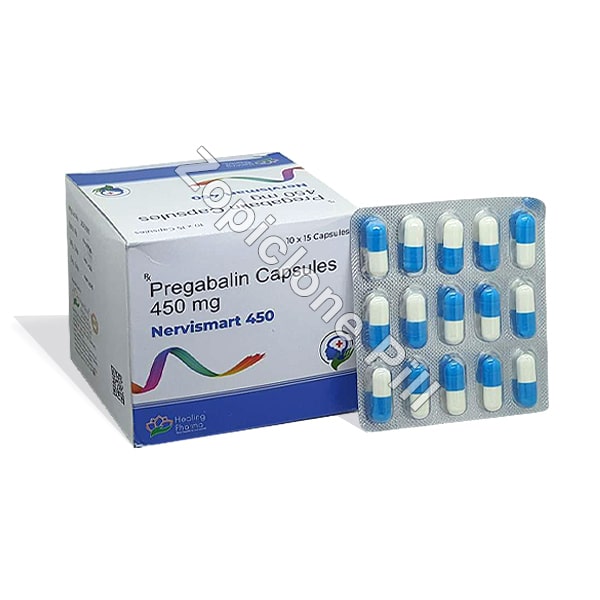
Gabapentin and pregabalin bind to the alpha-2-delta subunit of calcium channels and calm overactive nerves. Gabapentin is usually taken three times daily and has less predictable absorption. Pregabalin is more potent, absorbed more steadily and usually taken twice daily. Browse Gabantin 100 mg, Gabantin 300 mg, gabapentin and pregabalin.
2. Antidepressants for pain
Low-dose tricyclics and SNRIs such as duloxetine or venlafaxine can reduce nerve pain independently of their effect on mood. See also anxiety medications explained.
3. Topical treatments
Lidocaine patches and capsaicin cream can help localised nerve pain with fewer whole-body side effects.
Nerve Pain Medicine Types at a Glance
| Type | Examples | Common side effects | Key caution |
|---|---|---|---|
| Gabapentinoids | Gabapentin, pregabalin | Drowsiness, dizziness, swelling, weight gain | Misuse risk, dangerous with opioids and alcohol, kidney dosing |
| Antidepressants | Amitriptyline, duloxetine, venlafaxine | Dry mouth, constipation, sweating, nausea | Mood monitoring, do not stop suddenly |
| Topical | Lidocaine, capsaicin | Local skin irritation | Avoid broken skin and eyes |

Nerve Pain and Sleep
Nerve pain is often worse at night, and poor sleep lowers your pain threshold. Read how to get good sleep despite neuropathy, apply sleep hygiene tips and see insomnia medicines and how they work.
Safety Tips
- Combining gabapentinoids with opioids, alcohol or sedatives such as sleeping tablets can cause dangerous breathing problems.
- Kidney function affects how much is cleared, so doses must be adjusted for kidney disease.
- Do not stop suddenly. Abrupt withdrawal can trigger anxiety, sweating, insomnia and rarely seizures.
- Seek urgent help for swelling of the face or throat or any thoughts of self-harm.
Frequently Asked Questions
How long do nerve pain medicines take to work?
Some people notice relief in days, but full benefit often needs a few weeks of gradual dose increases.
Are they addictive?
Gabapentinoids can be misused, especially with opioids or alcohol, so some countries now control them. Use only as prescribed.
Can lifestyle help?
Yes. Exercise, blood sugar control, good sleep and stress management all support treatment.
Disclaimer: This article is for general information only and is not medical advice. Always consult a doctor or pharmacist before taking any medicine.