Panic Attacks and Anxiety Disorders: Symptoms, Triggers and Treatment Options

Your heart pounds, your chest tightens, your hands tingle and a wave of terror rises from nowhere. You may feel certain that you are having a heart attack, losing control or about to pass out. For millions of people this is a panic attack, and it can happen in a supermarket queue, on a motorway or in the middle of the night. Panic attacks are frightening but not dangerous, and they are highly treatable. This guide explains what happens in the body during a panic attack, how panic differs from other anxiety disorders, what causes it, how to cope in the moment, which treatments work best (including therapy and medicines) and when to seek urgent help.
- A panic attack is a sudden surge of intense fear that peaks within minutes and usually passes within 20 to 30 minutes.
- It is the body’s alarm system firing when there is no real danger. It is distressing, but it does not cause fainting, heart attack or madness.
- Cognitive behavioural therapy is the most effective long-term treatment, and antidepressant-type medicines also help.
- Avoiding situations that trigger panic keeps the problem going. Gradual, supported exposure breaks the cycle.
- If chest pain is new, severe or you are unsure, get urgent medical care.
What Happens During a Panic Attack
A panic attack is the body’s fight-or-flight response triggered at the wrong time. The brain’s alarm centre, the amygdala, signals danger, and the body floods with adrenaline. Breathing quickens, the heart races, blood is diverted to muscles and digestion slows. Fast breathing, or hyperventilation, lowers carbon dioxide in the blood, which causes dizziness, tingling in the hands and face, light-headedness and a sense of unreality. Attacks usually peak within about ten minutes and fade within 20 to 30, although the aftermath of exhaustion and worry can last longer.
Common symptoms
- Pounding heart or palpitations
- Sweating, trembling or shaking
- Shortness of breath or a feeling of choking
- Chest tightness or pain
- Nausea or abdominal discomfort
- Dizziness, light-headedness or faintness
- Chills, hot flushes, numbness or tingling
- Feeling detached from yourself or your surroundings (derealisation)
- Fear of losing control, going mad or dying
Around one in eight people experience at least one panic attack in their lifetime, so a single episode does not mean you have a disorder.
Panic Disorder and Other Anxiety Disorders
| Condition | Main feature | Typical pattern |
|---|---|---|
| Panic disorder | Repeated, unexpected panic attacks plus persistent worry about more attacks | Avoidance of places or activities linked to previous attacks |
| Agoraphobia | Fear of situations where escape feels difficult | Avoiding crowds, public transport, queues or being alone outside |
| Generalised anxiety disorder | Excessive, uncontrollable worry about many things for six months or more | Muscle tension, restlessness, poor sleep, irritability |
| Social anxiety disorder | Intense fear of being judged or embarrassed | Avoiding speaking, meeting people or performing |
| Health anxiety | Preoccupation with having a serious illness | Repeated checking, reassurance seeking |
Anxiety disorders often overlap with depression and sleep problems. For the causes of ongoing worry, read generalised anxiety disorder causes.
Causes and Triggers
Panic arises from a mix of biology, personality and life events. A family history of anxiety increases risk, as does a sensitive stress response, past trauma or major life change. Common triggers include:
- Chronic stress, bereavement, illness or burnout
- Caffeine, energy drinks, nicotine and some recreational drugs
- Alcohol and its after-effects, sometimes called “hangxiety”
- Withdrawal from alcohol, benzodiazepines or other sedatives
- Sleep deprivation, which heightens the brain’s threat response
- Medical conditions that mimic anxiety, such as an overactive thyroid, heart rhythm disorders, low blood sugar or asthma
Because physical conditions can look like anxiety, a first episode deserves a medical check, including blood pressure, an ECG if indicated and blood tests such as thyroid function.
What to Do During a Panic Attack
- Name it. Tell yourself, “This is a panic attack. It is uncomfortable but not dangerous, and it will pass.”
- Slow your breathing. Breathe in gently through your nose for four counts and out slowly through pursed lips for six. Longer out-breaths calm the nervous system.
- Ground yourself. Look for five things you can see, four you can touch, three you can hear, two you can smell and one you can taste.
- Relax your body. Drop your shoulders, unclench your jaw and soften your hands.
- Stay where you are if it is safe. Fleeing teaches your brain that the place was dangerous.
- Let it peak. Fighting panic feeds it. Acceptance lets the wave rise and fall.
More everyday techniques appear in 7 ways to reduce anxiety, natural ways to help with anxiety and meditation for anxiety and insomnia.
If someone else is having a panic attack
Stay calm and speak slowly. Ask what would help, guide them to breathe slowly with you, avoid telling them to “calm down” and do not crowd them. Stay until the attack passes, and encourage them to seek support if attacks recur.
Therapy That Works
Cognitive behavioural therapy (CBT) is the gold-standard treatment for panic disorder, and roughly two-thirds to four-fifths of people improve significantly within 12 to 16 sessions. It has three main parts:
- Education: understanding how the fear cycle works.
- Cognitive restructuring: testing catastrophic interpretations such as “my racing heart means I am dying.”
- Interoceptive and situational exposure: deliberately and gradually triggering harmless physical sensations (for example by spinning, breathing fast or climbing stairs) and facing avoided situations, so the brain learns they are safe.
Self-help books, guided online CBT programmes and mindfulness-based approaches also help, particularly for mild to moderate symptoms.

Medicines for Anxiety and Panic
Medicines are most useful when symptoms are moderate to severe, when therapy is not available or alongside therapy. Your doctor will choose based on the specific diagnosis.
| Medicine type | Examples | Best suited to | Key points |
|---|---|---|---|
| SSRIs | Sertraline, escitalopram, paroxetine | Panic disorder, social anxiety, GAD | First-line. Start low, benefits in 4 to 8 weeks, initial jitteriness possible |
| SNRIs | Venlafaxine, duloxetine | Panic disorder, GAD | Taper slowly, may raise blood pressure. See Venlor-XR 75 |
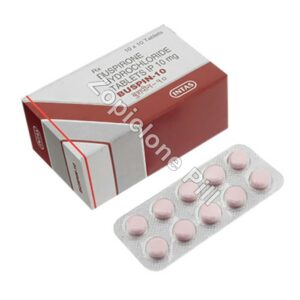
| Buspirone | Buspin 10 | Generalised anxiety | Non-sedating, no dependence, takes weeks. Less effective for panic itself |
| Pregabalin | Pregabalin | GAD in some countries | Drowsiness, misuse potential |
| Benzodiazepines | Diazepam, lorazepam | Short-term crisis only | Tolerance and dependence risk, not for long-term use |
| Beta-blockers | Propranolol | Physical symptoms of performance anxiety | Treats trembling and palpitations, not the worry |
To compare these classes in more depth, read anxiety medications explained and medications for anxiety and insomnia. You can also view product details for Buspin.
- Antidepressant-type medicines carry a warning about mood changes or suicidal thoughts, especially in people under 25 and early in treatment. Report changes immediately.
- Never stop an SSRI or SNRI suddenly. Taper under supervision to avoid discontinuation symptoms.
- Do not combine sedating anxiety medicines with alcohol or opioids.
- Tell your doctor about all medicines and supplements, including St John’s wort.
Night-Time Panic and Sleep
Some people wake in the night with a racing heart and a sense of dread, even without a frightening dream. Nocturnal panic attacks occur from non-dreaming sleep and can leave you fearful of going to bed. Poor sleep then heightens anxiety, which in turn worsens sleep. Read anxiety attack while sleeping and does anxiety affect sleep? If sleeplessness is the main problem, our guide to insomnia medicines and how they work and the sleep hygiene tips are good starting points.

Lifestyle Habits That Reduce Panic
- Cut back on caffeine and nicotine. Both can trigger palpitations and jitteriness.
- Limit alcohol, which worsens anxiety the next day.
- Exercise regularly. Aerobic exercise reduces baseline anxiety and trains the body to tolerate raised heart rate.
- Protect sleep. Keep a regular schedule and aim for seven to nine hours.
- Eat regularly. Low blood sugar can mimic or trigger anxiety symptoms.
- Practise slow breathing daily, not just during attacks, for five to ten minutes.
- Reduce avoidance. Make a list of avoided situations and approach them step by step.
When to Get Urgent Help
- Chest pain is new, crushing, spreading to the arm or jaw, or comes with breathlessness and you are unsure what it is
- You have fainted, have weakness on one side of the body or slurred speech
- You have thoughts of harming yourself. Contact your local emergency number or a crisis line immediately
See your doctor if attacks recur, you are avoiding everyday activities, you are using alcohol or drugs to cope or anxiety is affecting work, relationships or sleep.
Frequently Asked Questions
Can a panic attack kill you?
No. Panic attacks are not physically dangerous in healthy people, although they feel terrifying. A doctor can rule out heart or thyroid problems.
How long does a panic attack last?
Most peak within ten minutes and fade within 20 to 30 minutes.
Can panic attacks happen without a trigger?
Yes. Panic disorder is defined by unexpected attacks, though stress and tiredness often prime the system.
Will I need medicine forever?
Not usually. Many people use medicine for six to twelve months alongside therapy, then taper under supervision.
Is caffeine really a problem?
For many people with panic, yes. Reducing coffee, tea and energy drinks often lowers attack frequency within weeks.
What is the best first step?
See a doctor to rule out physical causes, then start CBT or a guided self-help programme.
Common Myths About Panic and Anxiety
- “Panic attacks mean I am weak.” Anxiety is a medical condition driven by biology and experience, not character.
- “I should avoid anything that triggers it.” Avoidance gives short-term relief but strengthens fear over time.
- “Breathing into a paper bag helps.” It is not recommended. Slow, gentle breathing is safer and more effective.
- “Anxiety medicine is a crutch.” Used appropriately, it can make therapy easier and shorten recovery.
- “It will never get better.” Most people recover substantially with treatment.
Final Thoughts
Panic attacks feel overwhelming, but understanding them takes away much of their power. Learn the body’s alarm system, practise calming skills, face avoided situations gradually and seek professional treatment if attacks keep returning. With therapy, healthy habits and, if needed, medicine, most people regain confidence and freedom.