Wakefulness-Promoting Medicines: Types, Uses, Strengths and Safety Guide

Excessive daytime sleepiness affects work, driving, mood and safety. Wakefulness-promoting medicines are prescribed to help people who stay drowsy despite getting enough sleep. This guide explains what these medicines are, the main types, how they are used, common strengths, side effects and the safety points that matter most.
What Are Wakefulness-Promoting Medicines?
Wakefulness-promoting agents (also called eugeroics) are prescription medicines that increase alertness without acting like a classic stimulant. They are licensed for excessive sleepiness linked to narcolepsy, obstructive sleep apnoea (residual sleepiness while using treatment) and shift work sleep disorder. They influence several brain pathways, including dopamine and orexin-related signalling.
The Two Main Types
1. Modafinil-based medicines
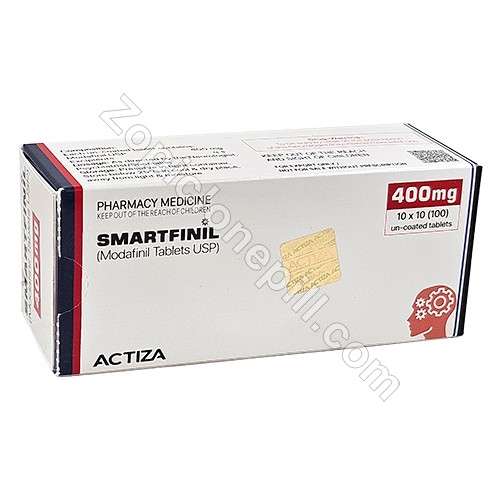
Modafinil is the original and most widely used. It is a mix of two mirror-image molecules. Common strengths are 100 mg and 200 mg. Browse Smartfinil, Modalert 200 mg, Modvigil 200 mg, Vilafinil 200 mg and Modafresh 200 mg.

2. Armodafinil-based medicines
Armodafinil contains only the active R-form of modafinil, so strengths are lower, usually 50 mg, 150 mg or 250 mg. See Artvigil 150 mg, Artvigil 250 mg and Waklert 150 mg.
Comparison of the Two Groups
| Feature | Modafinil group | Armodafinil group |
|---|---|---|
| Active ingredient | Mixture of R and S forms | R-form only |
| Common strengths | 100 mg, 200 mg | 50 mg, 150 mg, 250 mg |
| Approved uses | Narcolepsy, sleep apnoea, shift work disorder | Narcolepsy, sleep apnoea, shift work disorder |
| Onset | About 1 to 2 hours | About 1 to 2 hours |
| Duration | Around 12 to 15 hours | Similar, steadier later in the day |
| Common side effects | Headache, nausea, nervousness, insomnia | Headache, nausea, dizziness, insomnia |
How and When They Are Used
These medicines are normally taken in the morning, or at the start of a shift for night workers, so they do not disturb night sleep. Your prescriber chooses the strength based on your condition, other medicines and liver function. Never exceed the prescribed amount.
Possible Side Effects
- Headache, nausea and dry mouth are the most common.
- Nervousness, anxiety, palpitations or trouble sleeping can occur, especially if taken late in the day.
- Rarely, serious skin reactions can occur. Stop and seek urgent help if you develop a rash, blistering, fever or swelling.
Safety Tips
- Tell your doctor about heart, blood pressure, liver, kidney or mental health conditions.
- These medicines can reduce the effectiveness of hormonal contraception. Ask your pharmacist about backup methods.
- Limit caffeine, which can add to restlessness and a fast heartbeat.
- They do not replace sleep. Long-term sleep loss damages health, as explained in effects of sleep deprivation on the brain.
Fix the Cause of Daytime Sleepiness
Before relying on any medicine, look at sleep quality. Follow sleep hygiene tips, check how long before bed to stop caffeine and read why sleep is important for your health and happiness. If night-time insomnia is part of the problem, see insomnia medicines and how they work.
Frequently Asked Questions
Are wakefulness-promoting medicines the same as stimulants?
No. They promote alertness through different pathways and are generally associated with fewer jittery effects, though they are still controlled in many countries.
Can I take them in the afternoon?
Late-day use can disturb night sleep. Follow your prescriber’s timing.
Is long-term use safe?
Long-term use should be reviewed regularly by a healthcare professional.
Disclaimer: This article is for general information only and is not medical advice. Always consult a doctor or pharmacist before taking any medicine.