
Zopiclone vs Melatonin: Key Differences, Safety and Which Sleep Aid Suits You

When sleep goes wrong, two names come up again and again: zopiclone and melatonin. Both are used to help people fall asleep, so it is easy to assume they are interchangeable. They are not. One is a prescription sedative-hypnotic, the other is a hormone your own body produces. Knowing the difference helps you have a better conversation with your doctor and choose the safer route for your type of sleep problem.

What Is Zopiclone?
Zopiclone belongs to the “Z-drug” family of hypnotics, a group of medicines chemically different from benzodiazepines but acting on a similar target in the brain. It enhances the effect of GABA, the main calming neurotransmitter, which slows brain activity and makes it easier to fall asleep and stay asleep.
It is prescribed for short-term insomnia, usually for no more than a few weeks. If you want a closer look at how long its effects last, read our guide on how many hours of sleep you can expect with zopiclone.

What Is Melatonin?
Melatonin is a hormone released by the pineal gland in the evening as light fades. Its job is to signal to your body that night is coming, helping to set your circadian rhythm (your internal body clock). It does not force the brain into sedation; it nudges the timing of sleep.
Because of this, melatonin tends to work best for body-clock problems such as jet lag, shift work, or a delayed sleep phase, rather than for severe insomnia driven by stress or anxiety.
Zopiclone vs Melatonin: Side-by-Side Comparison
| Feature | Zopiclone | Melatonin |
|---|---|---|
| What it is | Prescription sedative-hypnotic (Z-drug) | Natural hormone, available as a supplement or prescription form depending on country |
| How it works | Boosts GABA activity to sedate the brain | Signals night-time and resets the body clock |
| Best for | Short-term insomnia with difficulty falling or staying asleep | Jet lag, shift work, circadian rhythm disorders |
| Speed of effect | Usually within 30 to 60 minutes | Gentler, often 30 to 90 minutes |
| Typical duration of use | Short term only, as directed by a doctor | Short or longer term depending on guidance |
| Dependence risk | Yes, tolerance and dependence can develop | Not considered habit-forming |
| Common side effects | Metallic taste, drowsiness, dizziness, dry mouth | Headache, daytime sleepiness, vivid dreams |
| Prescription needed? | Yes, in most countries | Varies by country |
Key Differences in Detail
1. Mechanism: sedation vs timing
Zopiclone directly dampens brain activity, which is why it can be effective when your mind simply will not switch off. Melatonin does not sedate you. It tells your body when sleep should begin, so it is most useful when the timing of your sleep is the problem.
2. Dependence and tolerance
This is the biggest practical difference. Zopiclone can lead to tolerance and dependence if used for longer than advised, and stopping suddenly may cause rebound insomnia and withdrawal symptoms. Our article on everything you need to know about zopiclone addiction explains the warning signs. Melatonin carries a much lower risk in this respect.
3. Next-day effects
Zopiclone can leave some people drowsy the next morning, which affects alertness and reaction time. If you are unsure, see our guidance on driving the day after taking zopiclone. Melatonin may cause some grogginess, but it is generally milder.
4. How the body processes it
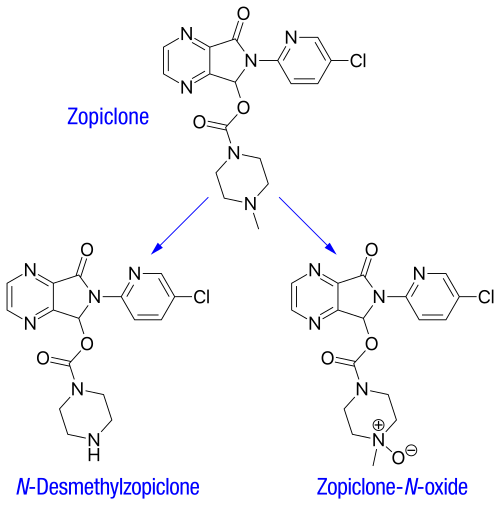
Zopiclone is metabolised in the liver and has a longer half-life than melatonin, which clears from the body quickly. This is one reason zopiclone can affect older adults and people with liver problems more strongly.
5. Special groups
Older adults, pregnant or breastfeeding women, and people with liver, kidney or breathing conditions need extra caution with either option and should always check with a doctor first. Read more in is sleeping pills good for old age? and is sleeplessness harmful during pregnancy?
Which One Is Right for You?
- Choose to discuss melatonin if your issue is jet lag, irregular shifts, or falling asleep much later than you want.
- Choose to discuss zopiclone if you have short-term, distressing insomnia that has not responded to other measures, and a doctor judges it appropriate.
- Start with behaviour first in almost every case. Cognitive behavioural therapy for insomnia is the most effective long-term treatment, as explained in what type of therapy is successful in helping insomnia.

Safety Tips for Any Sleep Aid
- Take medicines only as prescribed and never share them.
- Avoid alcohol, as it increases sedation and risk.
- Allow a full night (7 to 8 hours) before driving or operating machinery.
- Do not stop zopiclone suddenly after regular use. Ask your doctor about tapering.
- Build better habits too. Start with our tips on sleep hygiene and these home remedies for insomnia.
Frequently Asked Questions
Can I take zopiclone and melatonin together?
Both cause drowsiness, so combining them can increase sedation. Do this only if a doctor or pharmacist has approved it.
Is melatonin safer than zopiclone?
Melatonin generally has a lower risk of dependence and fewer next-day effects, but it is also less powerful for severe insomnia. “Safer” depends on your condition and health history.
How long can I use zopiclone?
It is intended for short-term use only, typically a few weeks at most, under medical supervision.
What if neither works?
Persistent insomnia can be linked to anxiety, depression, pain or sleep apnoea. Our overview of medications for anxiety and insomnia and common sleeping pills can help you prepare questions for your doctor.
Related Comparisons
Want to compare more options? Read Zopiclone and Zolpidem: are they the same? and Eszopiclone vs Zopiclone.
Final Thoughts
Zopiclone and melatonin solve different problems. Zopiclone sedates the brain for short-term insomnia but carries dependence risks, while melatonin gently adjusts your body clock and suits timing-related sleep issues. The right choice depends on your symptoms, age and health, so speak with a qualified healthcare professional before starting or switching any sleep medication.
Disclaimer: This article is for general information only and is not medical advice. Always consult a doctor or pharmacist before taking any medicine.

