Antiparasitic Medicines Explained: Worms, Scabies, Lice and Safe Use
Parasites are more common than most people realise. Intestinal worms, scabies mites and head lice affect millions of people every year across every income level, and travel, schools, shared bedding and contaminated food or water all play a part in spreading them. The good news is that most parasitic infections are very treatable. Antiparasitic medicines, including the ivermectin family, albendazole, mebendazole, praziquantel and topical products such as permethrin, can clear infections quickly when used correctly. This guide explains the common parasitic conditions, how antiparasitic tablets work, which infections they are approved for, what they are not approved for, and the safety rules that matter most.
What Are Parasites?
A parasite is an organism that lives on or inside another organism, called the host, and takes nutrients at the host’s expense. Human parasites fall into three main groups. Helminths are worms such as roundworm, hookworm, threadworm (pinworm), whipworm, tapeworm and Strongyloides. Protozoa are single-celled organisms such as Giardia and malaria parasites. Ectoparasites live on the skin and include scabies mites, head lice and body lice. Different groups need different medicines, which is why self-diagnosis and guesswork often fail.
Common Parasitic Infections
Intestinal worms
Threadworms (pinworms) are the most common worm infection in children, causing anal itching, especially at night, which can interrupt sleep. Roundworm, hookworm and whipworm are more common in tropical regions with limited sanitation. Heavy infections can cause abdominal pain, diarrhoea, weight loss and iron-deficiency anaemia.
Strongyloidiasis
Strongyloides is a roundworm that can live in the body for decades after exposure. Most people have mild symptoms, but in those who later take steroids or other immune-suppressing medicines it can cause a life-threatening “hyperinfection.” Doctors therefore screen and treat people from affected regions before starting such medicines.
Onchocerciasis (river blindness)
Spread by blackflies, this disease causes severe itching, skin changes and eventually blindness. Mass treatment programmes using ivermectin have dramatically reduced its burden in many countries.
Scabies
Scabies is caused by a tiny mite that burrows into skin, causing intense itching that is worse at night and a pimple-like rash, particularly between the fingers, at the wrists, waist and groin. It spreads through prolonged skin contact and shared bedding, and it can sweep through households, care homes and schools. Because itching can last for weeks after the mites are gone, many people think the treatment has failed when it has not.
Head lice
Head lice are not a sign of poor hygiene. They spread by head-to-head contact and are managed with topical lotions, fine-toothed combing or, in specific situations, oral treatment.
The Main Antiparasitic Medicines
| Medicine | Treats | Form | Notes |
|---|---|---|---|
| Ivermectin | Strongyloidiasis, onchocerciasis, scabies, some other worm infections | Tablets, topical cream (for rosacea), lotion (for lice) | Dose is weight-based. Often repeated after one to two weeks for scabies |
| Albendazole | Roundworm, hookworm, whipworm, tapeworm cysts | Tablets | Take with a fatty meal for better absorption |
| Mebendazole | Threadworm and other intestinal worms | Tablets, chewable | Whole household often treated together |
| Praziquantel | Schistosomiasis, tapeworms, liver flukes | Tablets | Taken with food and water, can cause dizziness |
| Permethrin | Scabies, head lice | Cream, lotion | Applied to whole body for scabies, repeated after seven days |
How Ivermectin Works
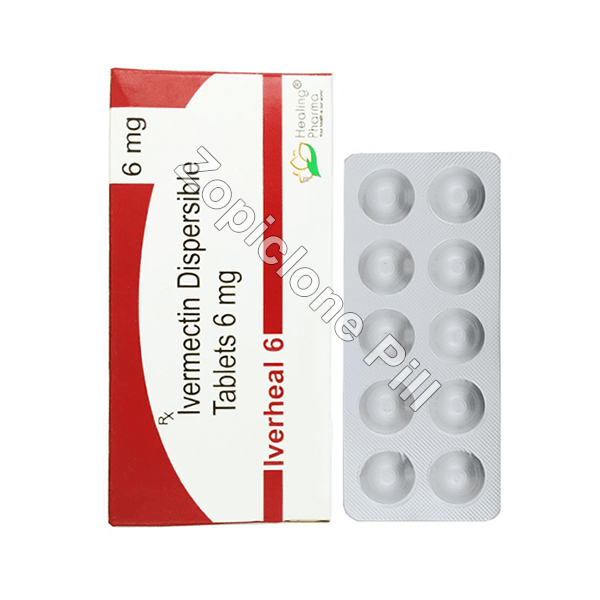
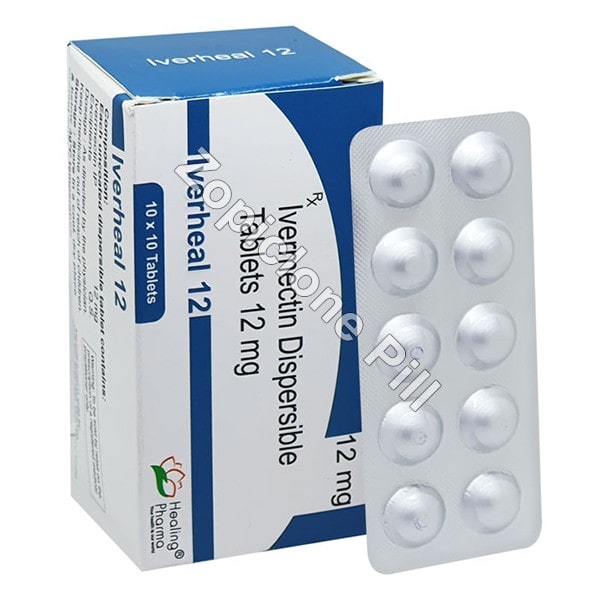
Ivermectin binds to glutamate-gated chloride channels found in the nerve and muscle cells of many parasites. This causes an influx of chloride ions, paralysing and eventually killing the parasite, while human cells, which mainly lack these channels in the same form, are largely spared. Products available on our store include Ivermectin and Ivermectin (China).
What Ivermectin Is Not Approved For
It is important to be direct about this. Ivermectin is not approved to prevent or treat COVID-19. Large, well-designed trials have found no meaningful benefit, and major health agencies advise against its use for that purpose. Taking high doses can cause nausea, vomiting, dizziness, low blood pressure, confusion, seizures and, in severe cases, coma. Never use veterinary ivermectin products. Animal formulations contain very different concentrations and additives and have caused poisonings in people. If you are considering ivermectin for any reason, speak to a doctor first.
Dosing and How Treatment Is Given
Ivermectin dosing is calculated from body weight (commonly around 150 to 200 micrograms per kilogram for strongyloidiasis and scabies, taken on an empty stomach with water), and the course may be repeated. Albendazole and mebendazole doses depend on the worm and the person’s age. Because dosing varies by infection and country guidance, your prescriber should set it. Do not guess the dose from a pack size.
Treating Scabies Properly
Scabies treatment fails mainly because of practical errors rather than drug resistance. Follow these steps closely:
- Treat everyone at the same time. All household members and close contacts should be treated, even if they have no itching yet, because symptoms take weeks to appear.
- Apply cream correctly. Permethrin must cover the whole body from the neck down (and scalp and face in children and older adults), including under nails, between toes and in skin folds, and be left on for the recommended time, usually eight to twelve hours.
- Repeat the treatment. A second application after seven days kills mites that hatch from surviving eggs. Oral ivermectin is also commonly given in two doses a week or two apart.
- Wash bedding and clothing. Wash at 60°C or above, then tumble dry hot. Items that cannot be washed can be sealed in a bag for at least 72 hours.
- Do not expect instant itch relief. Itching can last two to four weeks. Antihistamines and moisturisers help, and a doctor may prescribe a mild steroid cream.

Preventing and Treating Threadworms
Threadworm infection spreads easily because the eggs stick to fingers, bedding and surfaces. A single dose of mebendazole is usually repeated after two weeks, and hygiene is just as important as the tablet. Wash hands before eating and after using the toilet, keep fingernails short, shower in the morning to remove eggs laid overnight, change and wash bedding and underwear on the first day and vacuum thoroughly. Treat the whole household, since reinfection is very common.
Side Effects of Antiparasitic Tablets
- Common: nausea, stomach pain, diarrhoea, headache and dizziness.
- After ivermectin for filarial infections: a Mazzotti-type reaction with itching, rash, fever and swollen glands can occur as parasites die. It is manageable but should be medically supervised.
- With albendazole: raised liver enzymes and, rarely, low white blood cell counts, so blood tests may be needed in longer courses.
- Seek urgent help for: severe rash, swelling of the face or throat, difficulty breathing, confusion, seizures or fainting.
Who Should Be Careful?
Pregnant and breastfeeding women, young children (for ivermectin, usually under 15 kg), people with liver disease and those who live in or have visited regions where Loa loa is common need individual medical advice. Co-infection with Loa loa can cause serious neurological reactions after ivermectin. Warfarin users should have their blood clotting checked, as ivermectin may change its effect.
Sleep, Itching and Recovery
Parasitic infections and the itching they cause can wreck sleep, particularly scabies and threadworm. Poor sleep then weakens immune defences and slows recovery. Cool the room, keep nails short, take antihistamines only if advised and follow a calming routine. See sleep hygiene tips, read how sleep improves your immune system and try home remedies for insomnia. For related guides, read antibiotic tablets explained and antimalarial and autoimmune medicines.
Frequently Asked Questions
How do I know if I have worms?
Symptoms include itching around the anus, visible worms in stools, abdominal pain, weight loss or tiredness. Diagnosis often needs a stool test or the “sticky tape” test for threadworm. Many people have no symptoms at all.
Can I catch scabies from a pet?
Animal mites cause temporary itching in humans but do not breed on you. Human scabies spreads from person to person.
Is it safe to take ivermectin with food?
For most human uses it is taken on an empty stomach with water, but follow the instructions given for your product and infection.
Why is my itching still present after treatment?
Itching can persist for weeks as the skin reacts to dead mites and their products. Contact a doctor if new burrows or blisters appear after four weeks, which may mean reinfection.
Can children take antiparasitic tablets?
Some can, with weight-based doses chosen by a doctor. Never give adult tablets to a child without medical advice.
How Parasitic Infections Are Diagnosed
Treating the wrong problem wastes time and can delay the correct diagnosis, so testing matters. Intestinal parasites are usually confirmed by examining stool samples, often on more than one day because worms and eggs are shed intermittently. Threadworm is identified by pressing clear sticky tape against the skin around the anus first thing in the morning and examining it under a microscope. Scabies is typically diagnosed by examining the pattern of rash and burrows, and sometimes by skin scraping or dermoscopy. Blood tests may be used for infections such as strongyloidiasis, schistosomiasis and filarial diseases, where parasites are not easily seen in stool. If you have returned from travel with fever, diarrhoea or unexplained itching, tell the doctor exactly where you have been and what you ate and drank.
Why Reinfection Happens So Often
Many people are treated successfully and then become infected again within weeks. Common reasons include:
- Untreated contacts: one untreated family member can restart the cycle for everyone.
- Contaminated surroundings: eggs survive on bedding, clothing, toys and bathroom surfaces for days or weeks.
- Poor hand hygiene: threadworm eggs are swallowed after touching contaminated surfaces.
- Skipped second dose: many treatments kill adult parasites but not eggs, which is why repeat doses are scheduled.
- Environmental exposure: walking barefoot on contaminated soil in some regions exposes you to hookworm, and untreated water carries other parasites.
Preventing Parasitic Infection at Home and When Travelling
Prevention is simpler and cheaper than treatment. Wash hands with soap and water before eating and after using the toilet or changing nappies. Wash fruit and vegetables thoroughly and cook meat, particularly pork, beef and fish, to a safe internal temperature. Drink treated or bottled water in regions where tap water is unsafe, and avoid ice made from untreated water. Wear shoes outdoors in areas where hookworm and strongyloides are endemic, and avoid swimming in freshwater lakes or rivers in schistosomiasis regions. Use insect repellent and bed nets where mosquito- or fly-borne diseases occur. Deworm pets regularly, because dogs and cats can carry roundworm and tapeworm that occasionally infect people, particularly young children.
Common Myths About Parasites and Their Treatment
- “Only people in poor countries get worms.” Threadworm, lice and scabies are common in high-income countries too.
- “Lice mean poor hygiene.” Lice actually prefer clean hair and spread by close contact, not dirt.
- “Natural remedies cure worms.” Papaya seeds, garlic and pumpkin seeds are popular, but good evidence that they eliminate infections is lacking.
- “Itching means the treatment failed.” Post-scabies itch can last for weeks.
- “A detox or cleanse removes parasites.” There is no reliable evidence for this, and cleanses can cause dehydration and dangerous electrolyte imbalances.
Signs You Should See a Doctor Promptly
Seek medical advice rather than self-treating if you have blood in your stools, persistent diarrhoea lasting more than two weeks, unexplained weight loss, fever after returning from tropical travel, an itchy rash that is crusted, weeping or spreading, eye pain or visual disturbance after living in an endemic area, or if the person affected is pregnant, an infant, elderly or has a weakened immune system. Crusted (Norwegian) scabies in particular affects people with weakened immunity and is highly contagious, requiring specialist treatment and often isolation measures.
Final Thoughts
Antiparasitic medicines are effective, inexpensive and often life-changing, but only when matched to the right parasite, dosed by weight and combined with good hygiene and contact treatment. Avoid using them for unproven purposes, never use veterinary products, and see a doctor if symptoms continue or you are unsure what you have.
Disclaimer: This article is for general information only and is not medical advice. Always consult a doctor or pharmacist before taking any medicine.