Antimalarial and Autoimmune Medicines Explained: Uses, Eye Safety and Monitoring

Few medicines have as varied a history as hydroxychloroquine and the family of antimalarial drugs it belongs to. Developed to prevent and treat malaria, these tablets became a cornerstone of treatment for autoimmune diseases such as lupus and rheumatoid arthritis, and in 2020 they were thrust into the global spotlight during the COVID-19 pandemic. Today the picture is much clearer. This guide explains what antimalarial and autoimmune medicines do, which conditions they treat, how long they take to work, the important eye-safety monitoring involved and how to use them responsibly.
What Are Antimalarial Medicines?
Malaria is a mosquito-borne infection caused by Plasmodium parasites. Antimalarial medicines either prevent infection in travellers (prophylaxis) or treat established infection. Chloroquine and hydroxychloroquine were the first widely used options. Unfortunately, resistance has made them unreliable for preventing malaria in most tropical regions, particularly where Plasmodium falciparum is common. Doctors now often recommend alternatives such as atovaquone-proguanil, doxycycline or mefloquine, depending on the destination, your health and other medicines you take.
That change did not make hydroxychloroquine obsolete. Its second life as an immune-modulating medicine turned out to be far more important for many patients.
How Hydroxychloroquine Works in Autoimmune Disease
In autoimmune conditions the immune system mistakenly attacks the body’s own tissues. Hydroxychloroquine does not suppress the immune system in the heavy-handed way steroids or chemotherapy-type drugs do. Instead, it dampens specific immune signalling. It accumulates in cell compartments called lysosomes, raising their pH, and interferes with the way immune cells process and present antigens and respond to inflammatory triggers. The result is calmer, less aggressive immune activity, with a relatively low risk of serious infection compared with stronger immunosuppressants.
Conditions Treated
Systemic lupus erythematosus (SLE)
Hydroxychloroquine is a foundation treatment for lupus. It reduces the number and severity of flares, protects the kidneys and other organs, lowers the risk of blood clots and helps people survive longer. Guidelines generally recommend that almost everyone with lupus take it long term unless there is a reason not to.
Rheumatoid arthritis
For mild disease it can be used alone, and for more active disease it is often combined with methotrexate or other disease-modifying drugs. It reduces joint pain and swelling but is not usually strong enough alone to prevent joint damage in severe cases.
Other uses
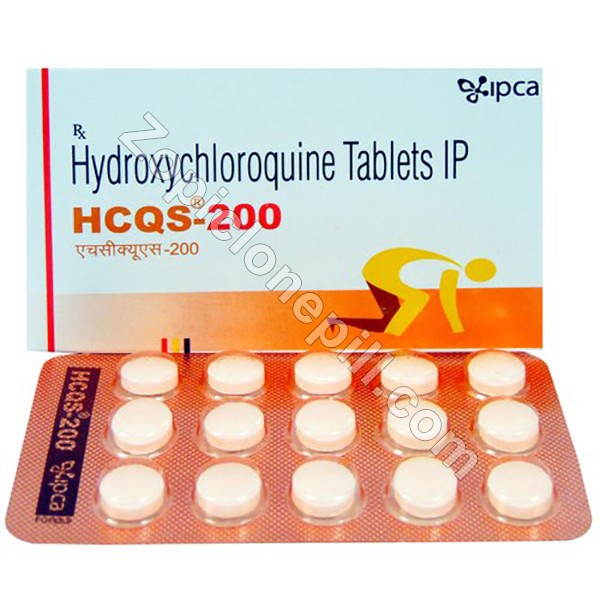
Doctors also prescribe it for Sjögren’s syndrome, cutaneous (skin) lupus, antiphospholipid syndrome, sarcoidosis affecting the skin and some forms of inflammatory arthritis. Product pages on our store include Hydroxychloroquine 200 mg.
How Long Does It Take to Work?
This is the point that surprises many patients. Hydroxychloroquine is not a fast-acting medicine. In rheumatoid arthritis and lupus the benefit usually begins after about six to twelve weeks and may take three to six months to reach its full effect. Stopping because “it is not working” after two weeks is a common mistake. Your doctor may keep you on other treatments, such as short courses of anti-inflammatory medicines or steroids, while hydroxychloroquine builds up in your system.
Dose, Weight and Why It Matters
Long-term safety, especially for the eyes, depends strongly on dose. Current ophthalmology and rheumatology guidance recommends keeping the daily dose at or below about 5 mg per kilogram of actual body weight. For a 60 kg adult that is around 300 mg a day, which is why some people take 200 mg on some days and 400 mg on others. Higher doses or longer use raise the risk of retinal damage. Never adjust your own dose, and ask your doctor to recalculate if your weight changes significantly.
Eye Safety: The Most Important Monitoring
Hydroxychloroquine can, rarely, cause retinopathy, damage to the light-sensitive layer at the back of the eye. Early damage causes no symptoms, and by the time vision changes appear the damage may be permanent. That is why screening exists.
- Baseline eye exam: usually within the first year of starting treatment.
- Annual screening: typically begins after about five years of use, or sooner if you have risk factors.
- Higher risk groups: people on higher doses, with kidney disease, with existing retinal disease or taking tamoxifen.
- Tests used: optical coherence tomography (OCT), visual field tests and sometimes autofluorescence imaging.
Report any new blurred vision, difficulty reading, missing patches in vision or trouble with colour perception immediately.
Side Effects
Most people tolerate hydroxychloroquine well, and serious problems are uncommon. The more frequent effects include:
- Nausea, stomach cramps and diarrhoea, which often improve if taken with food
- Headache, dizziness and, occasionally, mood changes
- Skin rash, itching or darkening of skin or nails
- Low blood sugar, especially in people with diabetes taking insulin or sulfonylureas
- Rarely, changes in heart rhythm (QT prolongation) or heart muscle problems with long-term use
Antimalarial Medicines Compared
| Medicine | Main use | Notable points |
|---|---|---|
| Hydroxychloroquine | Lupus, rheumatoid arthritis, some malaria | Slow onset, eye monitoring, generally safe in pregnancy for lupus |
| Chloroquine | Malaria in areas without resistance | Higher retinal risk than hydroxychloroquine |
| Atovaquone-proguanil | Malaria prevention and treatment | Taken with food, short course after travel |
| Doxycycline | Malaria prevention | Sun sensitivity, taken daily during travel |
| Mefloquine | Malaria prevention | Weekly, neuropsychiatric side effects in some people |
What About COVID-19?
In early 2020, hydroxychloroquine was widely promoted as a treatment or preventive for COVID-19. Large randomised trials later showed it did not reduce deaths, hospitalisation or infection risk, and it carried a risk of side effects, including heart rhythm problems. It is not recommended for COVID-19. Its use in lupus and arthritis remains well supported by decades of evidence. If you take it for an autoimmune condition, continue it unless your doctor tells you otherwise.
Pregnancy, Breastfeeding and Planning a Family
Unlike many immunosuppressants, hydroxychloroquine is generally considered compatible with pregnancy and breastfeeding, and in lupus, stopping it can trigger flares that harm both mother and baby. Never stop it without specialist advice. Women planning pregnancy should discuss all their medicines in advance.
Interactions to Watch
- Antacids and kaolin: separate by at least four hours, as they reduce absorption.
- Medicines that prolong the QT interval: including some antibiotics such as macrolides, certain antipsychotics and antiarrhythmics.
- Diabetes medicines: blood sugar may drop, so monitoring may be needed.
- Digoxin and ciclosporin: blood levels may rise.

Living Well With an Autoimmune Condition
Medicine is only part of managing lupus or arthritis. Fatigue is among the most disabling symptoms, and it is closely tied to sleep, stress and mood. Poor sleep worsens pain and inflammation, creating a cycle that is hard to break. Read the effects of sleep deprivation on the brain, how sleep improves your immune system and sleep hygiene tips. Chronic illness also takes an emotional toll, so see 7 ways to reduce anxiety and the link between depression and daytime sleep. Protect your skin from the sun, stay active within your limits and keep vaccinations up to date.
Frequently Asked Questions
Can I stop hydroxychloroquine when I feel better?
Not without medical advice. In lupus, stopping increases flare risk. Feeling better is usually a sign the medicine is working.
Does it weaken my immune system?
It modulates rather than suppresses immunity, and it does not significantly raise the risk of serious infections the way stronger drugs do.
Is it safe to drink alcohol?
Occasional light drinking is generally acceptable, but alcohol can add to nausea and liver strain. Discuss your own situation with your doctor.
Can it cause hair loss?
Hair thinning is uncommon, though lupus itself can cause hair loss. Report any changes.
What should I do if I miss a dose?
Take it when you remember unless it is nearly time for the next dose. Do not double up.
Malaria Prevention: Practical Steps for Travellers
Because no tablet gives complete protection, travellers need layered defences. The ABCD approach is a useful reminder: Awareness of risk, Bite avoidance, Chemoprevention (tablets where advised) and prompt Diagnosis if symptoms develop.
- Check the destination: malaria risk and drug resistance differ by country, region and season. Seek travel health advice four to six weeks before departure, as some regimens start before you leave.
- Prevent bites: use insect repellent containing DEET, wear long sleeves and trousers at dusk and dawn, and sleep under an insecticide-treated bed net or in air-conditioned rooms.
- Take tablets exactly on schedule: most regimens continue for days or weeks after you return. Missing the post-travel doses is a common reason for breakthrough infection.
- Know the symptoms: fever, chills, headache, sweating, muscle aches and fatigue can appear from about a week up to a year after exposure. Fever after travelling to a malaria area is a medical emergency until proven otherwise. Tell the doctor where you have been.
Combining Treatments in Rheumatoid Arthritis and Lupus
Hydroxychloroquine is often just one part of a treatment plan. In rheumatoid arthritis it may be paired with methotrexate and sulfasalazine, sometimes called triple therapy, which many patients find effective and affordable. In lupus it may be combined with low-dose steroids, azathioprine, mycophenolate or biologic medicines depending on which organs are involved. Because each added medicine brings its own monitoring needs, such as blood tests for liver and blood-count checks, keep a list of everything you take and bring it to every appointment.
Regular Check-Ups and Blood Tests
Hydroxychloroquine itself needs fewer blood tests than many immune medicines, but your care team will usually monitor your kidney function (because the kidneys clear part of the drug), blood counts and, in lupus, markers such as anti-dsDNA antibodies, complement levels and urine protein. Kidney disease raises the risk of retinal toxicity because the drug builds up, so the dose may need reducing. Blood pressure, cholesterol and bone health also deserve attention, since inflammatory diseases raise cardiovascular risk and steroids can weaken bones.
Managing Side Effects Without Stopping Treatment
Many side effects settle within a few weeks or can be eased with simple changes. Take tablets with a meal or a glass of milk if they upset your stomach. Splitting the daily dose into two smaller doses can help nausea. If you notice skin rashes, protect your skin from strong sunlight and talk to your doctor before assuming it is the medicine. Do not stop treatment because of mild symptoms without advice, because stopping suddenly in lupus can bring on a flare weeks later.
Common Myths About Hydroxychloroquine
- “It is only a malaria drug.” Today, more people take it for lupus and arthritis than for malaria.
- “It will cure my autoimmune disease.” It controls disease activity but does not cure it.
- “If my eyes feel fine, I can skip eye checks.” Early retinal damage has no symptoms, so scheduled screening is essential.
- “It works within days.” Benefits build slowly. Patience is part of treatment.
- “It is useful for COVID-19.” Large trials showed no benefit.
Questions to Ask Your Specialist
- What is my dose per kilogram, and when should it be reviewed?
- When should I have my first eye screening and how often afterwards?
- How will we know it is working, and when should I expect improvement?
- Can I stay on it if I become pregnant or while breastfeeding?
- What should I do if I get an infection or need surgery?
Storage and Overdose Safety
Hydroxychloroquine and chloroquine are dangerous in overdose, and young children are especially vulnerable. Even a small number of tablets taken by a toddler can cause serious heart rhythm problems and seizures. Keep all tablets in child-resistant packaging, out of sight and reach, and store them at room temperature away from moisture. If a child or adult swallows more than prescribed, call your local poison centre or emergency number immediately, even if there are no symptoms yet, because problems can develop within an hour.
Final Thoughts
Antimalarial and autoimmune medicines such as hydroxychloroquine demonstrate how a drug can find a new purpose. When used at the right dose, with regular eye checks and patience while it builds up, it can protect organs, reduce flares and improve quality of life. Discuss your diagnosis, dose, monitoring plan and any other medicines with your specialist.
Disclaimer: This article is for general information only and is not medical advice. Always consult a doctor or pharmacist before taking any medicine.